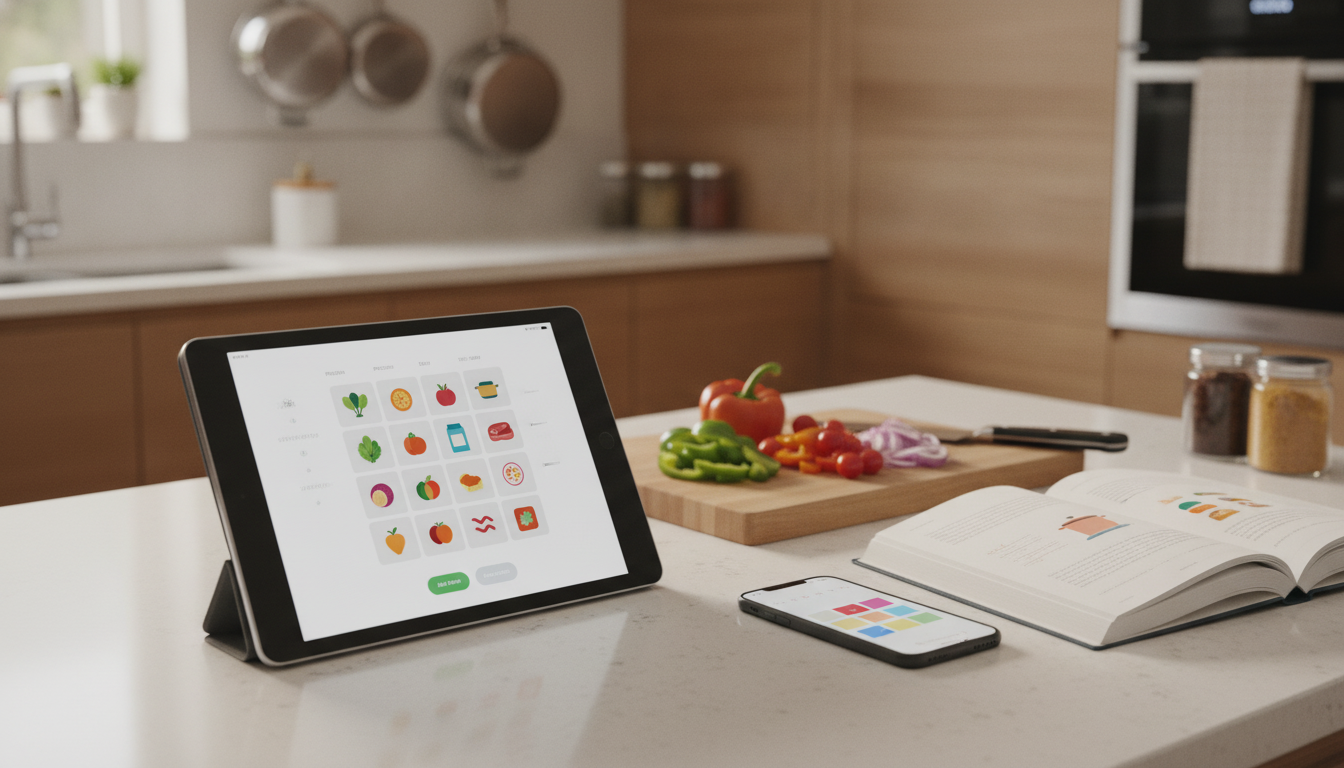
A reliable grocery list system can reduce midweek decision fatigue, cut down on food waste, and make cooking feel manageable. A smart checklist approach pairs AI-enhanced meal planning with practical shopping organization—so weekly menus turn into clear, aisle-ready lists with fewer forgotten ingredients and fewer last-minute store runs.
If the goal is to cook more at home without turning every week into a logistics project, the simplest win is consistency: one planning moment, one consolidated list, and one shopping pass that matches how the store is laid out.
Most “cooking stress” doesn’t come from cooking itself—it comes from the constant micro-decisions: What’s for dinner, do we have onions, how many lunches are left, and why is there a second jar of mustard?
For nutrition balance, it helps to plan meals around a simple plate framework—vegetables and fruits, protein, and whole grains—then adjust for preferences and budget. Resources like USDA MyPlate and the Harvard Healthy Eating Plate offer easy visual guides to keep meals realistic and well-rounded.
AI-enhanced planning is most useful when it reduces friction: fewer repeats on the list, fewer “almost the right ingredient” moments, and fewer wasted extras that never get used. Instead of treating each recipe as a separate event, smart planning treats the week as a single system.
| Planning output | Why it helps | Best used when |
|---|---|---|
| Consolidated ingredient list | Cuts duplicates and improves budgeting | Planning multiple recipes for the week |
| Ingredient substitutions | Keeps meals workable with dietary or pantry limits | Missing items or nutrition adjustments |
| Leftover mapping | Prevents food waste and reduces cooking time later | Busy midweek schedules |
| Category grouping (produce, dairy, pantry) | Speeds up shopping and reduces forgotten items | In-store or curbside pickup ordering |
A weekly workflow doesn’t need to be elaborate. The best routine is the one that survives your busiest week, not the one that only works when you have lots of free time.
To make the list “stick,” keep dinner plans slightly flexible: swap two nights, use one leftover night, and reserve one backup meal that can be made from freezer or pantry. That small bit of slack prevents the plan from collapsing when the week changes.
If you frequently batch-cook or store leftovers, it also helps to pair your list with basic food storage guidance so ingredients stay usable longer. The FDA’s refrigerator and freezer storage recommendations are a practical reference for safety and freshness.
| Step | Time | Outcome |
|---|---|---|
| Pick meals for the week | 5 min | Clear plan for dinners + simple lunches |
| Choose recipes and servings | 5 min | Right-size portions and ingredients |
| Generate and consolidate groceries | 3 min | One list with reduced duplicates |
| Group by aisle/store section | 2 min | Faster shopping route |
| Add staples + household needs | 2 min | Fewer forgotten essentials |
If you want a done-for-you format that combines menu planning and an organized checklist, use Smart Grocery List Checklist – AI-Enhanced Meal Planning, Weekly Menu Planner & Digital Shopping Organizer for Easy, Stress-Free Cooking to keep weekly decisions in one place and make the list “aisle-ready” before you shop.
For other planning-heavy parts of life, a structured toolkit can reduce the same kind of daily friction—like Minimal Trends Toolkit for Outfit Planning: 3-in-1 Bundle of Guides, eBooks & Checklists, which focuses on simplifying choices with repeatable templates.
It reduces waste by consolidating ingredients across recipes, planning leftover-friendly meals that reuse what you buy, and right-sizing quantities so extras don’t spoil. Tracking staples also helps prevent accidental duplicate purchases.
Yes—using substitutions and filtering recipe ideas makes it easier to keep a consistent weekly structure while swapping ingredients to fit dairy-free, gluten-free, or higher-protein needs. A repeatable “base menu” with adjustable proteins and sides keeps planning simple.
Start with three dependable dinners, repeat easy breakfasts and lunches for a week, and add one backup pantry/freezer meal for schedule surprises. Build a short staples list so you’re not reinventing your list every time.









Leave a comment