A Functional Wardrobe on a Budget: Build Outfit Options with Fewer, Better Pieces
A functional wardrobe makes getting dressed faster, outfits more repeatable, and shopping less stressful. The goal isn’t to own more clothes—it’s to own the right clothes for daily life, in colors and silhouettes that mix easily. Below is a practical, budget-friendly system: define what you actually wear, audit what’s already working, prioritize essentials, and shop with a plan so every purchase earns its place.
Start With Real Life: Your Weekly Outfit Needs
Before buying anything, map your week. Most closets feel “random” because they weren’t built around repeatable situations.
- List your top 3–5 outfit situations: work, errands, school drop-off, gym, social plans, travel, etc.
- Create a default uniform for each situation. Example: work = trousers + knit top + blazer; weekends = jeans + tee + layer.
- Set non-negotiables: shoe height limit, fabric sensitivity, weather needs, and washability (especially if you rely on weekly laundry).
- Pick a realistic style direction: minimal, classic, sporty, romantic, or streetwear. A clear lane reduces decision fatigue and regret buys.
Closet Audit: Keep, Tailor, Repair, Let Go
A good audit shows what you truly own (and what you reach for), so you can spend where it changes your daily outfits—not where it just adds clutter.
- Pull everything out by category: tops, bottoms, dresses, layers, shoes, bags.
- Create four piles: Keep & Wear Now, Keep but Needs Fixing, Seasonal Storage, Donate/Sell.
- Identify “workhorses” worn weekly. Note what makes them successful: fit, color, fabric, comfort, easy care.
- Flag duplicates and gaps (for example: lots of statement tops, but no layering basics; plenty of heels, no everyday sneakers).
- Budget saver: basic alterations (hemming trousers, taking in a waist, replacing buttons) can rescue near-misses and upgrade low-cost finds.
Quick Audit Checklist
| Check |
What to look for |
Action |
| Fit |
Shoulders sit correctly, waist/hip comfort, length works with shoes |
Tailor or donate if uncomfortable |
| Fabric & care |
Not itchy, not overly delicate, washes well |
Prioritize easy-care staples |
| Color compatibility |
Pairs with at least 3 other items |
Move hard-to-match pieces to occasion-only |
| Condition |
Pilling, stains, stretched necklines, worn soles |
Repair, depill, or replace intentionally |
| Frequency |
Worn in last 30–60 days (in-season) |
Keep only if it solves a clear need |
Build a Budget-Friendly Color Palette That Mixes Easily
A palette prevents “orphan” items that only match one thing. It also makes lower-cost basics look cohesive.
- Choose two neutrals as your base (black + cream, navy + gray, brown + white).
- Add one or two accents that feel wearable on repeat (olive, burgundy, cobalt, dusty pink).
- Pick a single print lane that fits your colors (stripes, small floral, checks) so prints still mix.
- Shopping rule: any new item should match at least one neutral and one accent.
Closet Essentials: The Pieces That Create the Most Outfits
Essentials aren’t about owning the same “capsule” as someone else. They’re about covering your real week with repeatable building blocks.
- Tops: 2–3 versatile tees, 1–2 elevated knits, 1 button-up or structured blouse, 1 going-out option.
- Bottoms: 1 great pair of jeans, 1 tailored trouser, 1 casual bottom (legging, jogger, or skirt) based on lifestyle.
- Layers: 1 lightweight jacket (denim/bomber), 1 structured layer (blazer/trench), 1 warm outerwear piece for your climate.
- Shoes: 1 everyday sneaker/flat, 1 work-appropriate option, 1 weather boot/shoe, 1 dressier pair if needed.
- Accessories: belt, simple bag, minimal jewelry—these “finish” outfits without adding more clothing.
Outfit multipliers worth buying first
- Structured layer (blazer or jacket): makes tees and knits look intentional.
- Clean-wash jeans: works with nearly every top and shoe.
- Neutral everyday shoe: increases how often outfits actually get worn.
- Solid knit or high-quality tee: functions alone or under layers.
Smart Styling Rules That Make Fewer Clothes Feel Like More
Shopping Tips to Stay on Budget (and Avoid Regret Buys)
- Set a spend limit (monthly or seasonal) and keep a short priority list—no browsing without a goal.
- Cost-per-wear test: if it won’t be worn 20–30 times, it’s probably not functional.
- Shop secondhand first for higher-quality fabrics and construction (wool coats, denim, blazers, leather shoes and bags). Resources like Goodwill and guidance on reuse from the EPA highlight how secondhand supports a broader reuse ecosystem.
- Use a 24-hour rule for non-urgent purchases, especially trend items.
- Do quick quality checks: dense knits, secure seams, aligned patterns, sturdy buttons, smooth zippers.
A Simple 30-Day Plan to Build a Functional Wardrobe
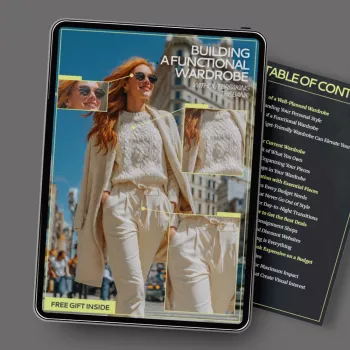
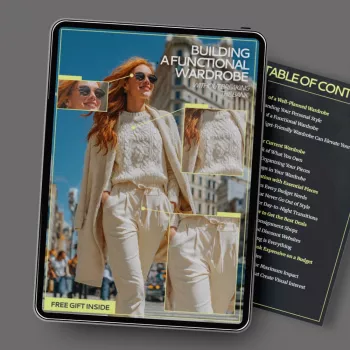
A Guided Shortcut: Workbook-Style Support
FAQ
How many pieces are needed for a functional wardrobe?
Most people do well with a core of roughly 25–45 in-season pieces (including shoes and layers), but the real measure is whether you can cover your week with repeatable outfits. Start with a small set of tops, bottoms, layers, and shoes that mix easily, then expand only when a consistent gap shows up.
What are the best items to buy secondhand versus new?
Secondhand is often a smart bet for coats, blazers, denim, and leather shoes or bags where quality matters and savings can be big. Many prefer buying new for underwear, socks, and athletic shoes due to hygiene, comfort, and heavy wear.
How can shopping be stopped when the closet still feels incomplete?
Switch to gap-based shopping: only buy what completes specific outfits, then outfit-test what you own for a week or two before adding more. Keep a ranked wishlist, use a waiting period for non-urgent items, and focus on building outfit formulas instead of collecting individual pieces.
Recommended for you











Leave a comment